From Viral to Validated
For years, Korean skincare succeeded in the U.S. largely through virality — influencer videos, Reddit threads, and the intoxicating novelty of ingredients that Western brands hadn't touched. That era served as a powerful beachhead. But it also created a perception ceiling: K-Beauty was innovative, yes, but was it prestigious?
The answer in 2025 is unambiguously yes. Brands like Sulwhasoo, IOPE, and Aestura are now stocked alongside La Mer and Sisley in Bergdorf Goodman. Sephora's dedicated K-Beauty sections have expanded by 40% in square footage since 2022. And crucially, the average transaction value for Korean prestige skincare at U.S. department stores has grown to match — and in some subcategories, exceed — that of French luxury competitors.
“The question is no longer whether Korean skincare can command prestige prices. The question is which brands are positioned to own the premium shelf.”
The Clinical Credibility Advantage
What's driving this repositioning isn't marketing spend — it's formula transparency. Korean brands pioneered the practice of publishing clinical trial data alongside product launches, a standard that Western luxury brands have historically resisted. In an era where the U.S. consumer is more ingredient-literate than ever, this transparency reads as authority.
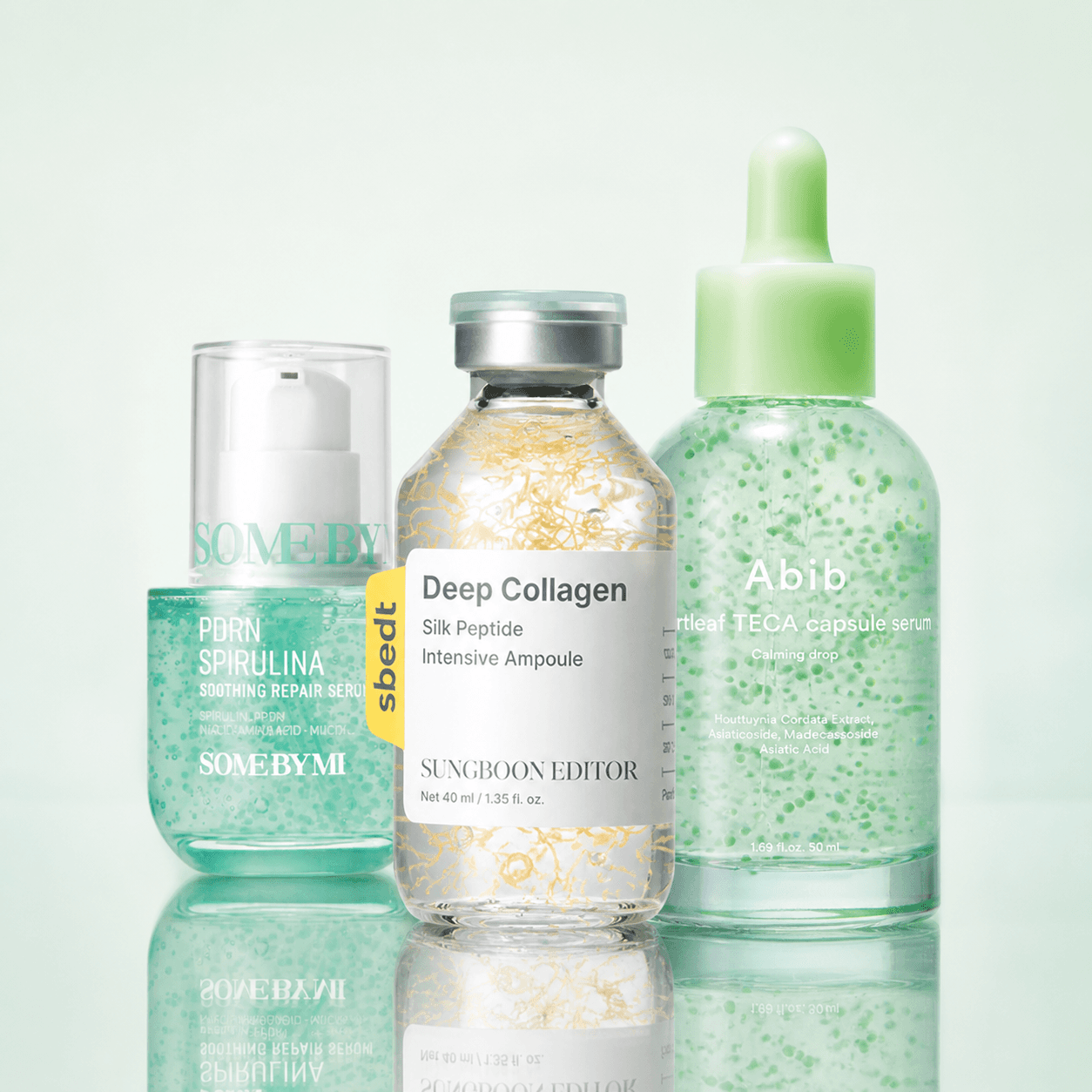
Brands like Dr.Jart+ and Medicube have built their entire identity around this clinical positioning, and the results speak for themselves. Dr.Jart+'s Cicapair Tiger Grass serum routinely outsells products at two to three times its price point at Sephora — not because it is the cheapest option, but because the consumer trusts what's in it.
What This Means for U.S. Distribution
For distributors and retail buyers, the practical implication is clear: the prestige K-Beauty opportunity is real, but it is not self-executing. Korean brands entering the U.S. market today must contend with a retail landscape that has already been primed — consumers are ready, buyers are receptive — but competition has intensified sharply.
The brands that succeed will be the ones with a distribution partner who understands both the regulatory environment (FDA cosmetic registration, ingredient compliance, labeling requirements) and the retail relationship landscape. Getting onto the shelf is one challenge. Getting reordered is another entirely.
“Getting onto the shelf is one challenge. Getting reordered is another entirely — and it's where most Korean brands without strong U.S. infrastructure lose momentum.”
KRONE's Perspective
At KRONE, we've watched this evolution closely. Our brand curation approach has always prioritized clinical credibility and formulation integrity over trend-chasing — which means our portfolio is well-positioned for the prestige shift now underway.
We're currently in conversations with three Korean skincare brands whose clinical data, packaging language, and brand story align precisely with what the U.S. prestige channel is looking for in 2025. If you represent a brand in this category and are considering U.S. market entry, we'd welcome the conversation.