The Fermentation Premium
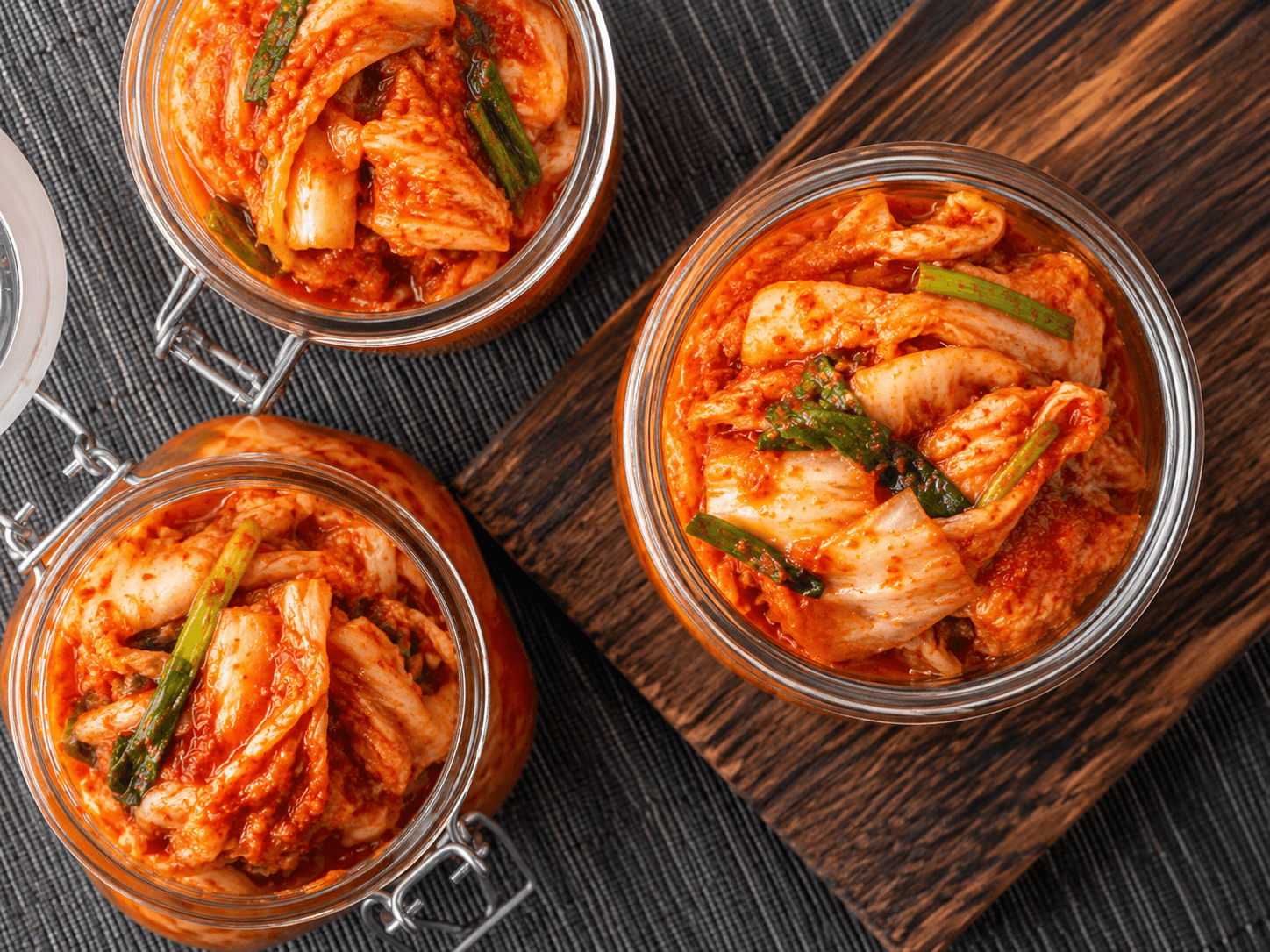
The timing is not coincidental. The gut health movement — driven by microbiome science, functional food interest, and a broader wellness shift — has created enormous consumer appetite for fermented foods. Kimchi, doenjang, ganjang, and makgeolli sit at the intersection of ancient fermentation tradition and modern nutritional validation.
Whole Foods Market reported that kimchi was among the top five fastest-growing refrigerated condiments in 2024. More significantly, the premium end of the kimchi market — small-batch, traditionally fermented, single-origin products — is growing at nearly double the rate of the mass-market segment. The U.S. consumer is not just buying Korean fermented foods; they're trading up.
“The U.S. consumer is not just buying Korean fermented foods — they're trading up to premium, small-batch, traditionally fermented products.”
Restaurant Supply as a Leading Indicator
One of the more reliable leading indicators for retail adoption is the restaurant supply chain. When Michelin-starred restaurants begin specifying an ingredient, retail follows within 18 to 24 months — the chef credibility halo is powerful and well-documented.
Korean fermented ingredients are now explicitly specified by name on menus at some of the most influential restaurants in New York, Los Angeles, and Chicago. Doenjang jjigae-inspired ramen has appeared on a James Beard Award-winning chef's tasting menu. Gochujang is listed by brand at multiple Michelin-starred establishments. These are not cosmetic additions — they represent genuine culinary adoption by chefs who care deeply about provenance.
The Cold Chain Opportunity
What separates distributors who can truly serve this market from those who cannot is cold chain capability. Premium Korean fermented foods — particularly live-culture kimchi and refrigerated doenjang — require temperature-controlled storage and transportation across the entire supply chain. This is not a logistics afterthought; it is a core competency.
KRONE's 30,000 sqft logistics hub in Niles, Illinois operates dedicated refrigerated and frozen zones alongside dry storage — one of the few K-product distributors in the Midwest with true three-temperature capability. This infrastructure is not just an operational advantage; it is increasingly a prerequisite for accessing the premium segment.
“Premium Korean fermented foods require cold chain capability across the entire supply chain. This is not a logistics afterthought — it is the core competency that separates premium from commodity distribution.”
Looking Forward
The Korean food market in the U.S. is transitioning from growth phase to establishment phase. Category awareness is no longer the bottleneck. The brands and distributors who will define the next decade are those with the infrastructure to serve premium retail consistently, the regulatory knowledge to navigate FDA and USDA requirements efficiently, and the retail relationships to earn and protect shelf space.
We believe the window for establishing dominant distribution positions in the premium K-Food segment is the next 24 to 36 months. After that, the market will consolidate around incumbents who built their infrastructure early.