The Coastal Ceiling
Coastal markets remain important, but they're also crowded. Korean brands launching in Los Angeles or New York are competing not just with American retailers, but with dozens of other Korean brands making the identical pitch to the same buyers. Differentiation is hard, and shelf space is expensive.
More importantly, coastal performance doesn't always translate into a compelling story for national retail buyers. A brand that sells well in a market with a large existing Korean-American population can struggle to demonstrate that its appeal extends to mainstream American consumers — which is precisely the question a national buyer needs answered.
Why the Midwest Is the Proving Ground
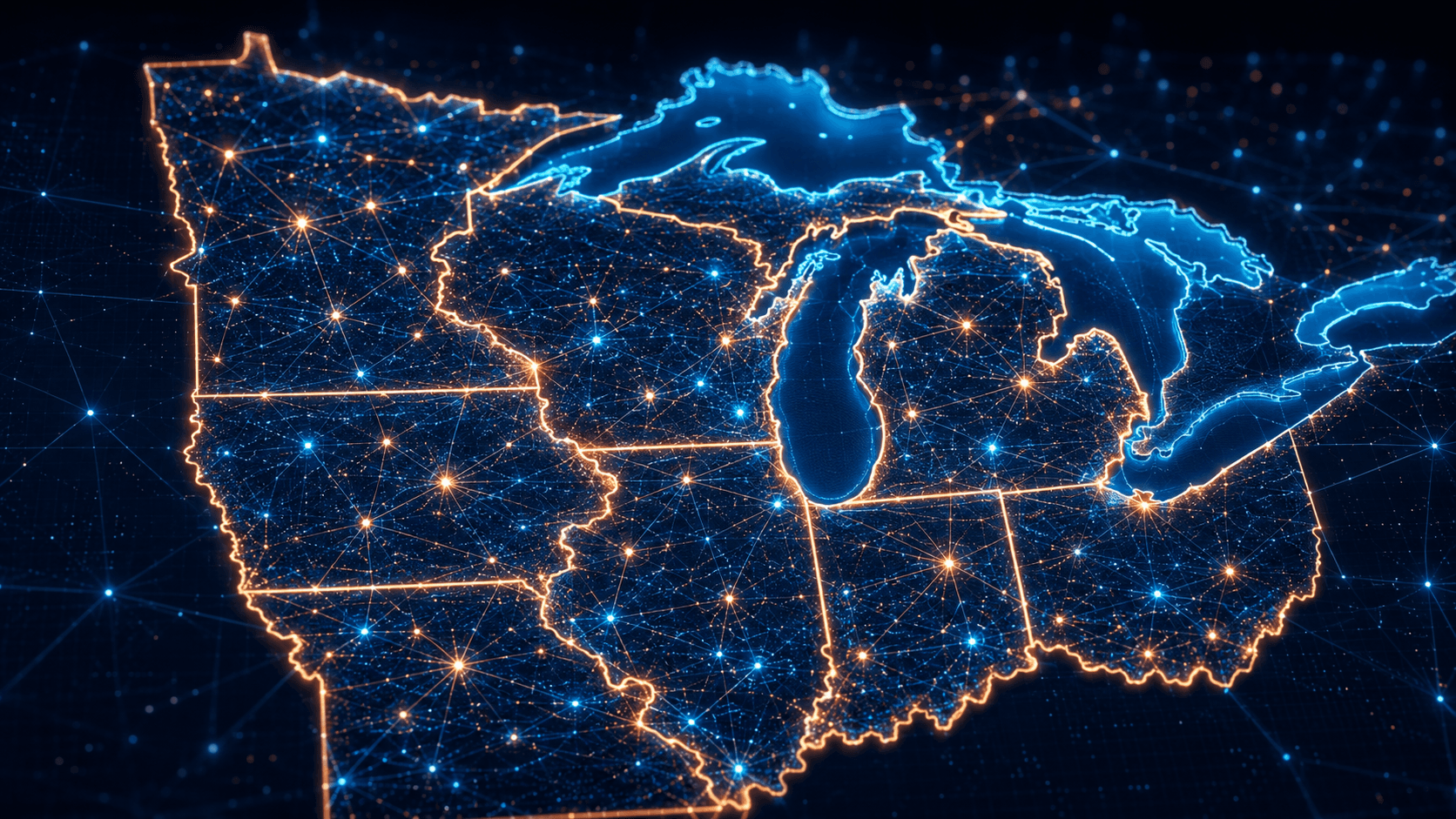
The Midwest offers something coastal markets can't: a retail environment where Korean products succeed or fail based on mainstream consumer appeal, not community demand. When a Korean skincare line or snack brand performs well in Midwest grocery and beauty retailers, it sends an unambiguous signal — this product works with the broadest possible American consumer base.
That signal is exactly what national retail buyers are looking for. A regional rollout across the Midwest, with strong sell-through and reorder data, gives a brand a far stronger negotiating position with national chains than coastal performance alone — because it answers the question of mainstream viability before the buyer has to ask it.
“Performance in the Midwest answers the one question every national retail buyer is really asking: does this work beyond the Korean-American community?”
Logistics as a Geographic Advantage
There's also a practical dimension. The Midwest sits at the center of the country's distribution infrastructure — closer, on average, to more of the U.S. population than either coast, and served by a denser network of regional and national logistics carriers. For temperature-sensitive products especially, a Midwest-based distribution hub can reach a larger share of the country within a one- or two-day delivery window than a coastal facility can.
This isn't just a cost advantage — it directly shapes which retail partnerships are realistic. A grocery chain considering a new supplier wants confidence in consistent, reliable replenishment. A distributor with Midwest-based infrastructure can credibly serve that chain's stores across a much wider footprint.
What a Phased Rollout Looks Like
In practice, a Midwest-anchored expansion typically starts with a cluster of regional grocery and specialty beauty retailers, where a brand can build sell-through data over two to three quarters. That data — reorder rates, velocity by SKU, performance relative to comparable products — becomes the foundation for conversations with larger regional chains, and eventually national accounts.
The timeline is longer than a single coastal launch might suggest, but it's also far more durable. Brands that follow this path arrive at national retail conversations with evidence, not projections — and national buyers notice the difference.
“Brands that arrive at national retail conversations with regional sell-through data, not projections, close faster and on better terms.”
KRONE's Midwest Foundation
KRONE's logistics hub and retail relationships are built around exactly this geography — not by accident, but because we identified the Midwest's role in national expansion early. Our 30,000 sqft facility in Niles, Illinois anchors a distribution network that reaches grocery, specialty, and beauty retailers across the region, giving our brand partners the proving ground that national buyers respond to.
For Korean brands evaluating where to focus initial U.S. retail efforts, our recommendation is consistent: build the data first, in the market built to generate it. The coasts will still be there when you're ready for them — and you'll arrive with a much stronger story.