The Amazon On-Ramp, and Its Ceiling
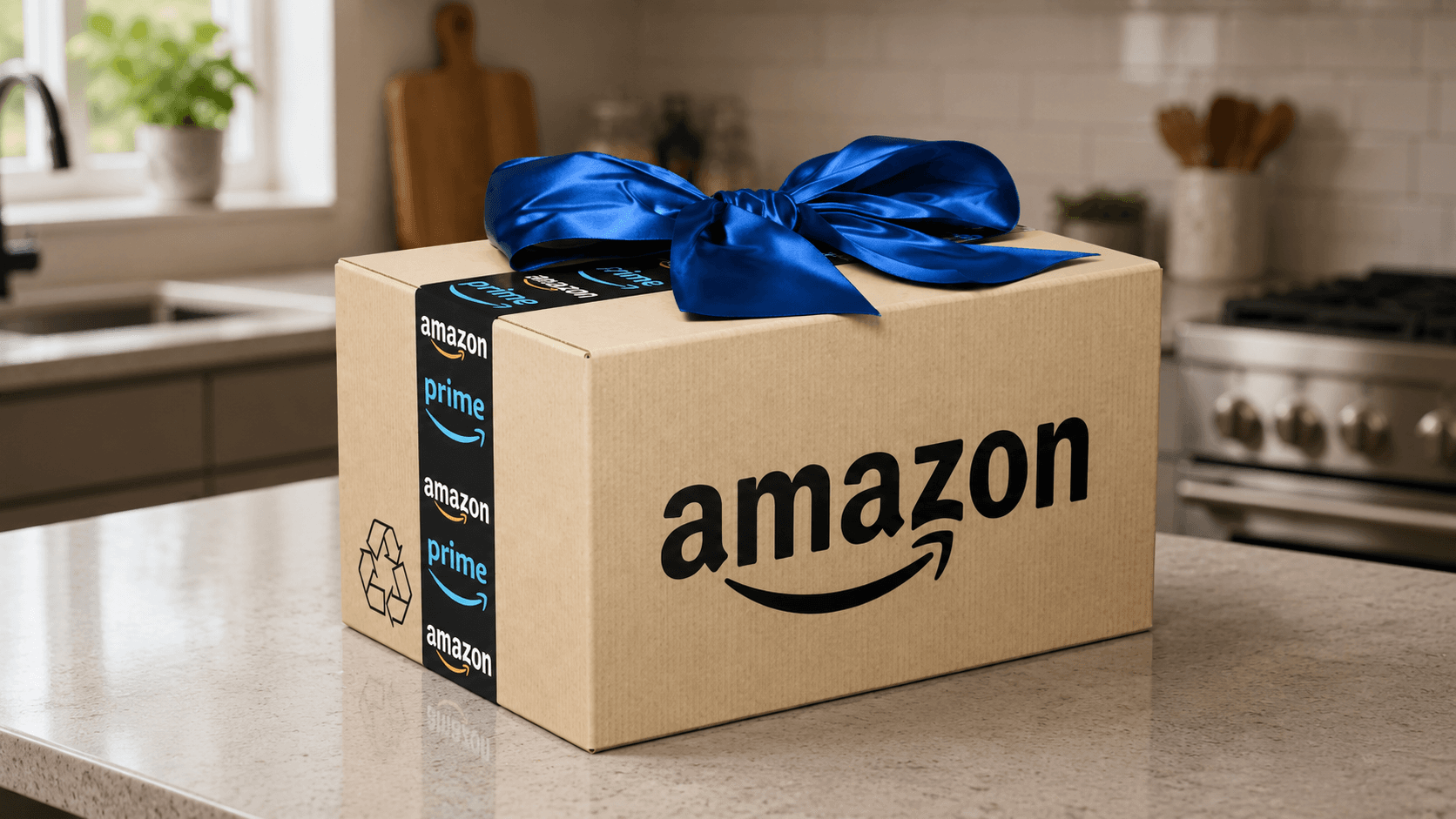
For a Korean brand with no U.S. infrastructure, Amazon offers something invaluable: a way to start selling within weeks rather than months. Listings can go live quickly, fulfillment can be outsourced through FBA, and performance data arrives in real time. It's the lowest-friction entry point into the U.S. market that exists.
But Amazon also has a ceiling. The platform is saturated with K-Beauty and K-Food listings, many competing primarily on price. Without a presence in physical retail or specialty e-commerce, brands struggle to build the pricing power and brand equity that distinguish a category leader from a commodity SKU.
“Amazon is the fastest way into the U.S. market — and, on its own, the slowest way to build a durable brand there.”
Specialty E-Commerce: The Credibility Layer
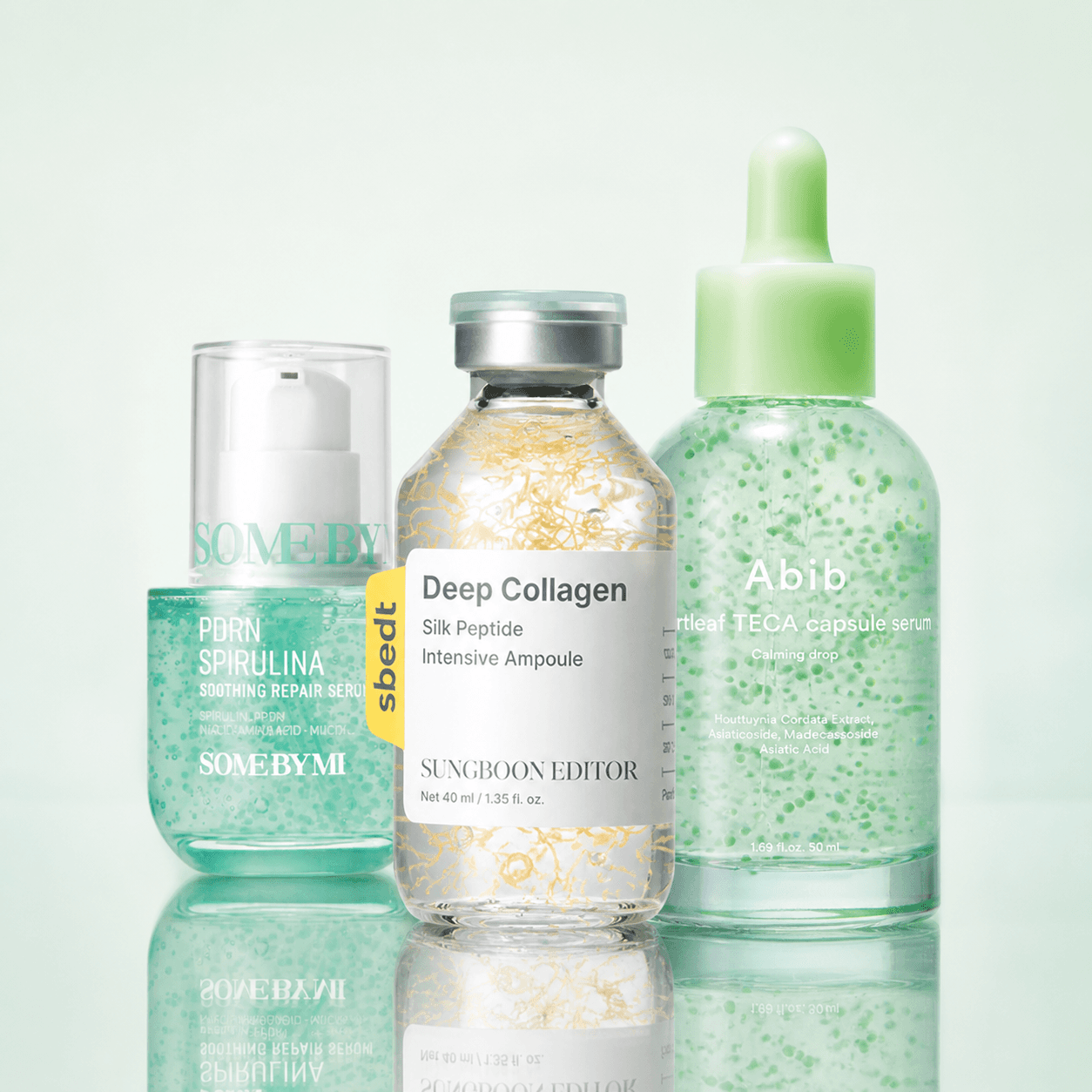
Between Amazon and physical retail sits a tier of specialty e-commerce platforms — beauty-focused marketplaces, curated K-beauty retailers, and direct-to-consumer storefronts — that play an outsized role in establishing brand credibility. A listing on a curated platform signals to both consumers and physical retail buyers that a brand has been vetted, not just uploaded.
These platforms also tend to have more engaged, higher-spending audiences. A brand that performs well here often sees its Amazon conversion rates improve in parallel, because shoppers research on one channel and purchase on another. The channels reinforce each other when they're managed as a coordinated strategy rather than separate experiments.
Why Physical Retail Still Matters
It might seem counterintuitive that physical shelf space remains a critical growth lever in an e-commerce-first era, but the data is consistent: brands with a presence in physical retail see meaningfully higher direct-to-consumer and Amazon sales in the same metro areas where they're stocked. Physical retail builds the kind of ambient brand awareness that no amount of digital advertising fully replicates.
This is especially true for Korean food and grocery products, where in-store discovery — seeing a product on a Whole Foods or specialty grocer's shelf — remains one of the strongest predictors of a first purchase. For K-Beauty, the Sephora and Ulta in-store experience continues to drive a halo effect across every other channel a brand sells through.
“Brands with physical retail presence consistently see stronger e-commerce performance in the same markets — the channels are not competitors, they're amplifiers.”
Sequencing the Channel Strategy
The brands that build durable U.S. positions don't pursue every channel simultaneously — they sequence deliberately. A typical path starts with Amazon and a flagship D2C site to validate demand and gather data, moves to specialty e-commerce and regional grocery or beauty retailers to build credibility, and culminates in national retail placement once the brand has proof points to bring to the negotiating table.
Skipping steps in this sequence is one of the most common — and costly — mistakes Korean brands make. A national retailer meeting is far more productive when a brand can point to strong regional sell-through data than when it's making a case based on product quality alone.
KRONE's Role Across Channels
KRONE operates across this entire spectrum — managing Amazon and D2C operations, placing brands with specialty e-commerce partners, and leveraging our regional retail relationships across the Midwest to build the proof points that unlock national conversations. Because we operate across channels rather than specializing in just one, we can sequence a brand's U.S. entry deliberately rather than reactively.
For brand partners, this means a single point of coordination across what would otherwise be a fragmented set of vendor relationships — and a strategy built around where the brand needs to be in 18 months, not just where it can sell something this month.